
Regenerative Medicine
Platelet-rich plasma (PRP) therapy uses healing factors from your own blood to support recovery in joints, tendons and soft tissue, with no surgery or hospital stay.
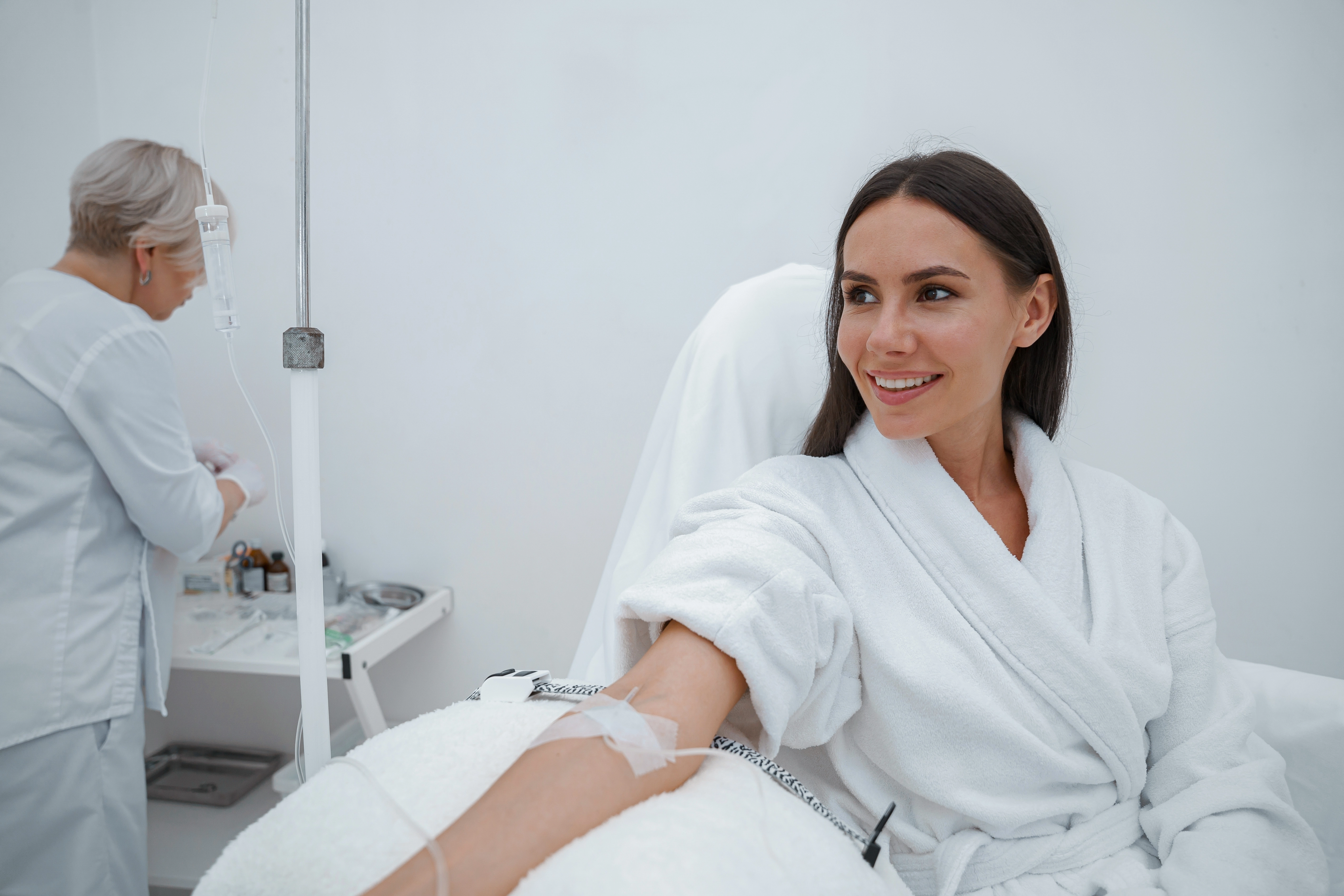
PRP Therapy, Explained Simply
PRP stands for platelet-rich plasma. We draw a small amount of your blood, spin it in our centrifuge to concentrate the platelets and growth factors, and inject it into the area that needs to heal. It is a non-surgical option done in our office.
PRP is not right for every patient. Your physician reviews your history, examines the area and often looks at imaging before recommending it. If PRP is not the best next step, we will say so and talk about other options.
- A small blood draw, about 15 to 30 ml
- Concentration of platelets in our in-office centrifuge
- Targeted injection, often with ultrasound guidance
- A visit that takes about an hour
Who It Helps
PRP works best for joint and soft-tissue problems where your body's natural healing needs a boost.
- Knee pain and mild to moderate arthritis
- Shoulder and hip joint pain
- Tennis elbow, golfer's elbow and Achilles problems
- Plantar fasciitis heel pain
- Sports and overuse injuries
- Early-stage hair thinning
Where PRP Can Help
These are the problems our physicians most often evaluate for PRP.
Knee pain and arthritis
PRP may help mild to moderate osteoarthritis, meniscus irritation and patellar tendon problems. For some patients it can delay or avoid more invasive procedures.
Shoulder and hip joints
Rotator cuff inflammation, labral irritation and hip bursitis that have not improved with conservative care. Your physician checks first whether PRP fits your case.
Tendon and ligament injuries
Tennis elbow, golfer's elbow, Achilles tendinopathy and partial ligament tears that have stalled while healing. PRP places growth factors right at the injured tissue.
Plantar fasciitis
Heel pain that stays even after stretching, orthotics and steroid shots. PRP targets the long-lasting inflammation in the foot.
Sports injuries
Muscle strains, overuse injuries and slow-healing tissue in people who want to get back to activity without hurting long-term function.
Hair restoration
Scalp PRP injections to support hair density and slow thinning in men and women with early-stage pattern hair loss.
What to Expect
Consultation
We review your history, examine the area and may look at imaging. We also go over cost before anything is scheduled.
Blood draw and preparation
A small sample is drawn from your arm, like a routine lab, and spun to concentrate the platelets.
Targeted injection
Your physician injects the PRP into the joint, tendon or scalp, often using ultrasound to confirm placement.
Recovery and follow-up
Most people return to normal activity in a day or two. Improvement tends to build over 4 to 6 weeks, and we follow your progress.
Frequently Asked Questions
Does insurance cover PRP?
Most insurance plans do not cover PRP. That is why we keep pricing clear and talk about cost during your consultation, before any treatment is scheduled. Call (727) 322-4227 to learn more.
How many PRP sessions will I need?
Many patients need one to three sessions, depending on the condition and how they respond. Your physician gives you a clear plan after evaluating the area.
Does PRP hurt, and what is recovery like?
The visit involves a small blood draw and an injection, and takes about an hour. Most patients are back to normal activity within a day or two.
What are the downsides of regenerative medicine?
PRP does not work for every condition or every person, and results build slowly over weeks. It is usually self-pay. Your physician will tell you honestly if another treatment, or simply more time, is a better choice.
Is PRP the same as stem cell therapy?
No. The regenerative treatment we offer is PRP, which uses platelets from your own blood. It does not involve stem cells.
Related Services
Conditions We Treat With Regenerative Medicine
We Accept Most Major Insurance Plans












Most major insurances accepted, please call our office to verify
More than a doctor's office, we are your partners in health and more than a
patient, you are part of our community.