
PRP Therapy: How Your Own Blood Helps You Heal
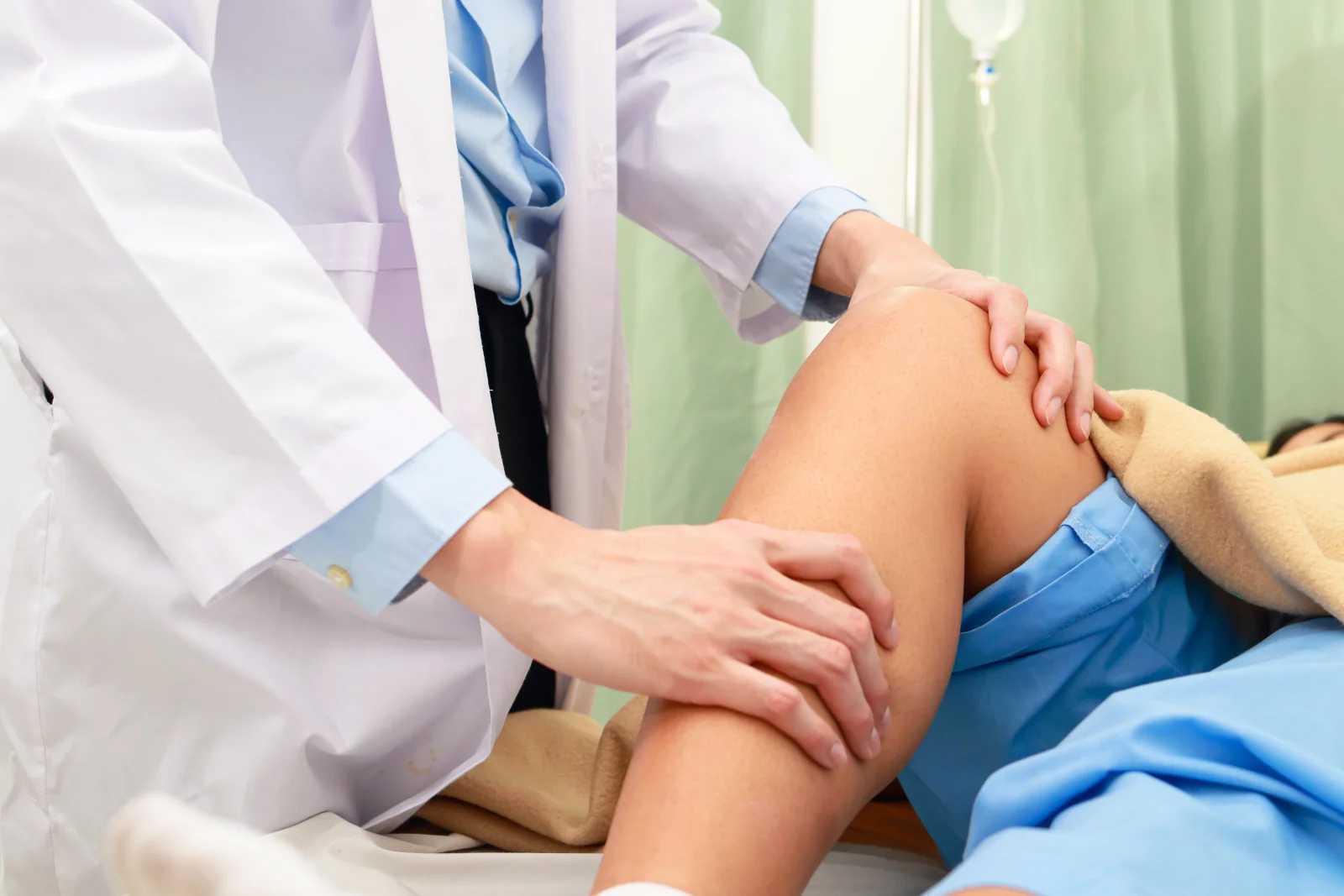
The science behind platelet-rich plasma, the conditions it’s used for, what the evidence does and doesn’t support, and what recovery looks like.
Regenerative Medicine · ~6 min read · Medically reviewed by Dr. Kathryn Syed, M.D. · Last reviewed June 8, 2026
Platelet-rich plasma sounds futuristic, but the principle is old and simple: your blood already carries the repair crew your body uses to heal. PRP just concentrates that crew and delivers it where you need it. Here’s the straight explanation of the science, the uses, and what the evidence does and doesn’t support.
The science, in plain terms
Your platelets do more than help blood clot — they release growth factors that signal tissue to repair itself. In a PRP procedure, a small amount of your blood is drawn and spun in a centrifuge to separate and concentrate those platelets. The concentrated plasma is then injected into the injured area, delivering a stronger dose of your own healing signals than the body would send on its own.
What it’s used for
- Mild to moderate knee osteoarthritis and joint pain
- Tendon problems like tennis elbow and Achilles tendinopathy
- Shoulder, hip, and other persistent soft-tissue issues
- Plantar fasciitis that hasn’t responded to conservative care
- Hair restoration for early-stage thinning
What the evidence supports — and where it’s mixed
The honest picture: PRP shows the most promising results for certain tendon conditions and mild knee arthritis, while evidence for other uses is more variable. It is not a guaranteed fix, and it works better as one option among several than as a miracle cure. A good provider will tell you when PRP is a reasonable next step and when it isn’t.
Worth knowing before you book
Most insurance plans do not cover PRP, and results build gradually over weeks rather than overnight. A consultation that reviews your history and imaging is the right starting point — not a standing order.
What recovery looks like
The procedure is in-office and uses only your own biology, so there’s no general anesthesia. Most people return to normal activity within a day or two and notice gradual improvement over several weeks as healing progresses, sometimes across more than one session.
This article pairs with our PRP Therapy service. See what care actually looks like at AHC.
Medical disclaimer. This article is for general educational purposes only. It is not medical advice, does not establish a provider–patient relationship, and is not a substitute for evaluation by a qualified healthcare professional. Individual results and recommendations vary. Always consult a licensed provider before starting, stopping, or changing any treatment.
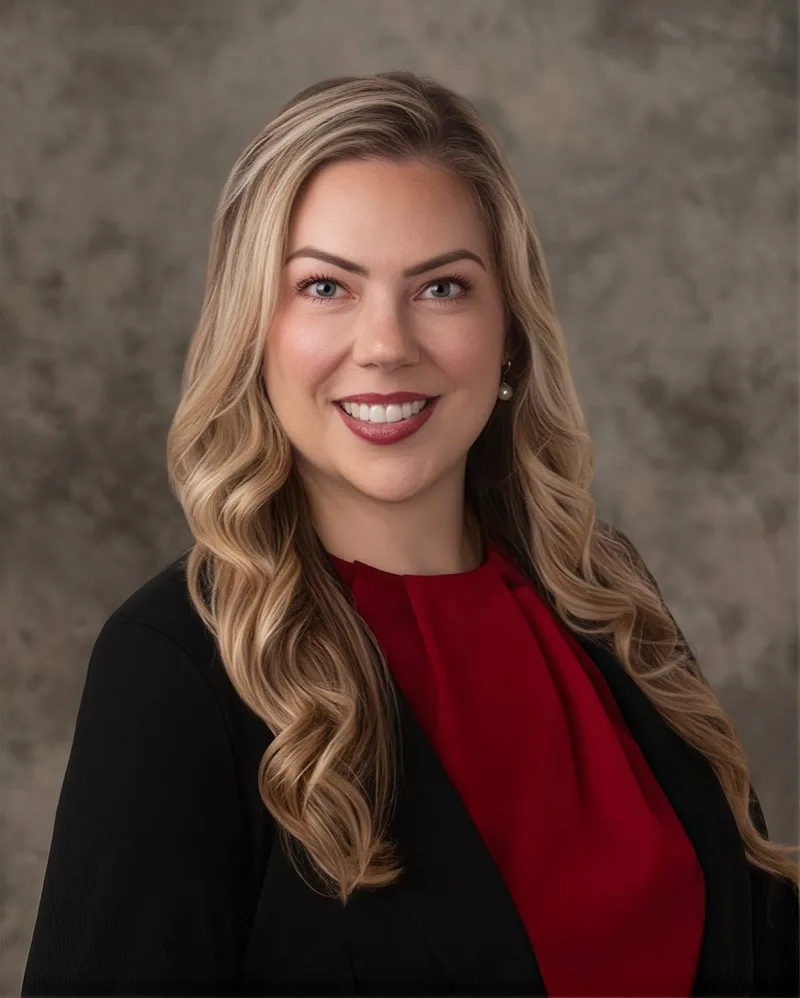
About the Author
Dr. Kathryn Syed, MD
Dr. Kathryn Syed is a board-certified Family Medicine physician providing comprehensive primary care in St. Petersburg, Florida. With over 12 years of experience, she is dedicated to helping patients of all ages achieve optimal health through personalized, compassionate, and preventive medical care. She is fluent in English and Spanish.
Your Health
Our Commitment
Dr. Kathryn Syed, MD
June 8, 2026