
Diabetes & Prediabetes Care in St. Petersburg, FL
Regular visits, lab monitoring and a realistic plan to keep your blood sugar in range and lower your risk of complications.
What Are Diabetes and Prediabetes?
Diabetes is a condition where your blood sugar, also called glucose, stays too high. In type 2 diabetes, the most common kind, the body does not respond well to insulin or does not make enough of it. Type 1 diabetes happens when the body makes little or no insulin.
Prediabetes means your blood sugar is higher than normal but not yet in the diabetes range. It is very common and often has no symptoms. The good news is that finding it early gives you a real chance to slow or prevent type 2 diabetes with changes to weight, food and activity. Blood tests are the only way to know for sure.
Signs of High Blood Sugar
Prediabetes usually causes no symptoms, while diabetes may cause the signs below as blood sugar climbs.
Increased thirst
Feeling thirsty all the time, even after drinking, is a common early sign.
Frequent urination
Extra sugar pulls water into the urine, so you may go more often, including at night.
Tiredness
When cells cannot use sugar well, you may feel drained even after rest.
Blurry vision
High sugar can change the shape of the lens in the eye for a time.
Slow-healing cuts
Sores, especially on the feet, may take longer to heal.
Tingling in hands or feet
Numbness or pins and needles can be a sign of nerve changes from long-term high sugar.
Unplanned weight loss
Losing weight without trying can happen when blood sugar is very high.
Risk Factors for Type 2 Diabetes
Type 2 diabetes and prediabetes build up over years, and several risks often show up together.
- Extra weight, especially around the belly
- Low physical activity
- Family history of diabetes
- Age 45 or older
- Diabetes during a past pregnancy
- High blood pressure or abnormal cholesterol
How We Treat Diabetes and Prediabetes
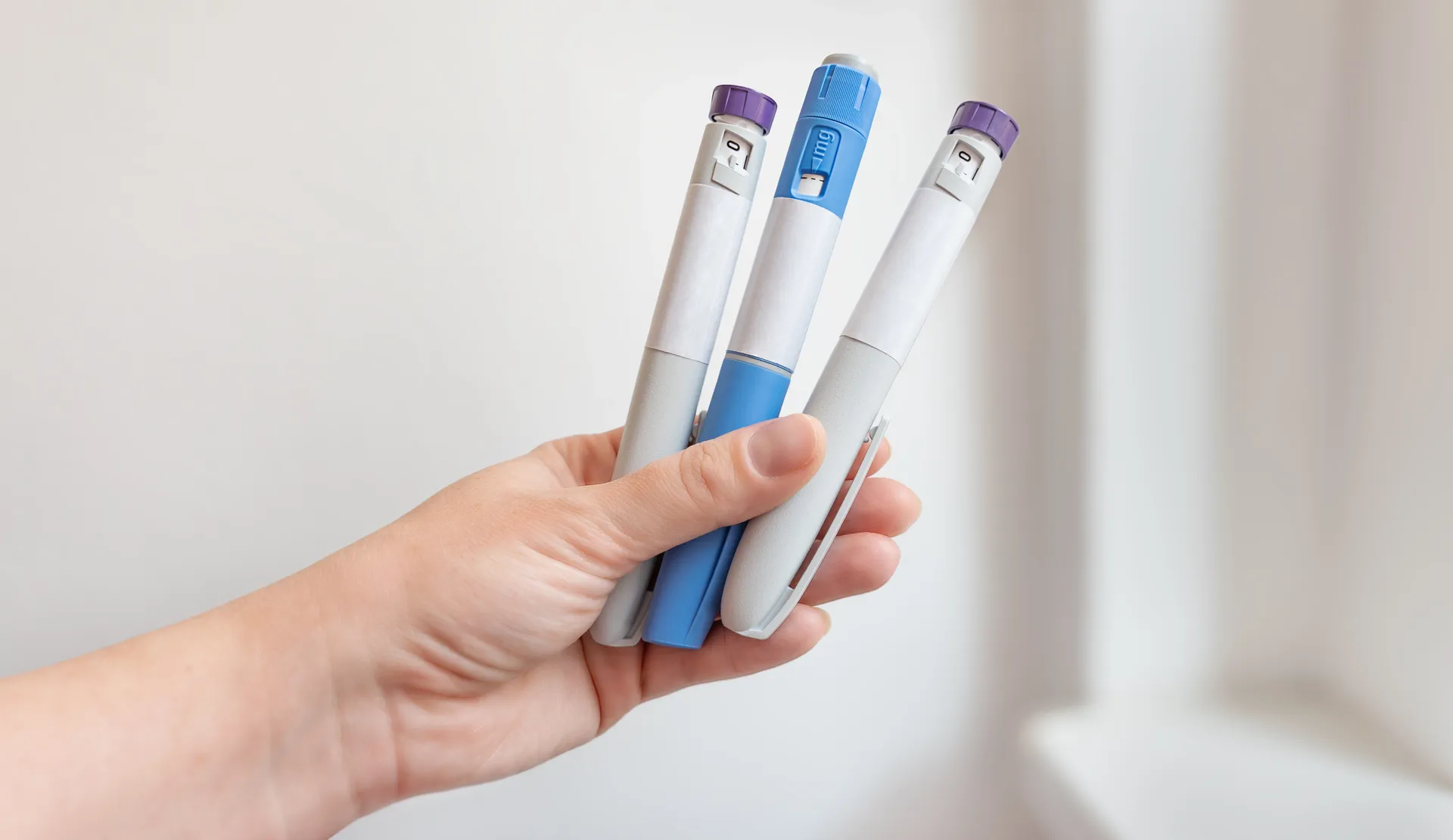
Diabetes is one of the chronic conditions our primary care team manages proactively. We draw your labs in our office, review your blood sugar trends with you, and build a plan around your daily routine. If medicine is needed, we explain your options, manage refills and adjust your doses at follow-up visits.
We also watch for the problems diabetes can cause over time in the heart, kidneys, eyes and feet. When you need an eye exam, a foot specialist or an endocrinologist, we refer you and stay in the loop. If extra weight is part of the picture, our physician-supervised weight loss program can work alongside your diabetes care.
- Blood sugar and A1C checks with in-house lab draws
- Medication management and dose adjustments
- Screening for complications and specialist referrals
- Weight and nutrition support when it helps
When to See a Doctor
Book a visit if you have symptoms of high blood sugar, or if a screening showed a high result. Seek emergency care for very high sugar with confusion, vomiting, deep fast breathing or fainting.
- You were told you have prediabetes or borderline blood sugar
- You have increased thirst, frequent urination or blurry vision
- Your home glucose readings are often out of range
- You have a sore on your foot that is not healing
Frequently Asked Questions
Can prediabetes be reversed?
Many people with prediabetes bring their blood sugar back to a normal range with weight loss, more activity and food changes. Regular follow-up and lab checks help you see whether your plan is working.
How often should my A1C be checked?
It depends on how well your diabetes is controlled and whether your treatment recently changed. Your provider will set a schedule with you, and the blood can be drawn right in our office.
Do I need to see an endocrinologist for diabetes?
Many patients manage diabetes well with their primary care team. If your blood sugar is hard to control or you need specialized care, we refer you to a specialist and keep coordinating your care.
Do you accept insurance for diabetes care?
We accept most major insurance plans. Call (727) 322-4227 and our team will verify your coverage before your visit.
Can I see a provider who speaks Spanish?
Yes. Dr. Kathryn Syed speaks English and Spanish, and our front desk can help in either language when you call.
Related Conditions
Treatments for Diabetes & Prediabetes
We Accept Most Major Insurance Plans












Most major insurances accepted, please call our office to verify
More than a doctor's office, we are your partners in health and more than a patient, you are part of our community.